Artificial Intelligence (AI) is becoming a core defense layer in modern cybersecurity, helping organizations detect threats faster, respond in real time, and prevent cyberattacks before they cause damage. As cyber threats grow more complex, AI provides speed and scale that traditional security systems can’t match.
1. How AI Detects Cyber Threats
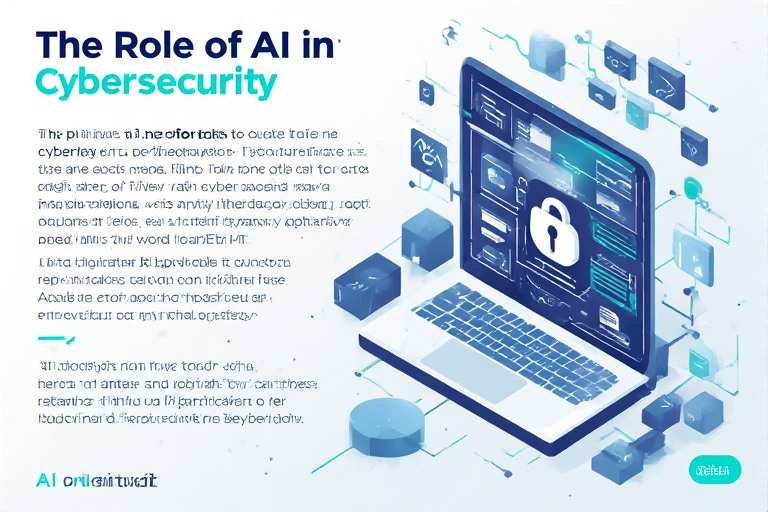
AI systems analyze massive amounts of data from networks, devices, applications, and user activity to identify unusual patterns.
a) Pattern Recognition
AI uses machine learning models trained on historical attack data to recognize known malware, phishing attempts, and suspicious behavior. When a new activity resembles past attacks, the system raises an alert.
b) Anomaly Detection
Instead of only looking for known threats, AI builds a “normal behavior profile” for users and systems. If something unusual happens—like a login from a new country or large data transfers at odd hours—it flags it as a potential threat.
c) Real-Time Monitoring
AI continuously scans network traffic and system logs in real time, making it possible to detect attacks as they begin rather than after damage is done.
2. How AI Prevents Cyberattacks
Detection alone isn’t enough—AI also helps actively stop threats.
a) Automated Response Systems
When a threat is detected, AI can automatically:
- Block suspicious IP addresses
- Isolate infected devices
- Disable compromised user accounts
This reduces response time from minutes or hours to seconds.
b) Phishing Detection
AI analyzes email content, links, and sender behavior to identify phishing attempts. It can warn users or automatically move dangerous emails to spam folders.
c) Malware Prevention
Machine learning models can identify unknown malware (zero-day attacks) by analyzing file behavior rather than relying only on existing virus signatures.
3. AI in Predictive Security
AI doesn’t just react—it predicts. By analyzing trends and past attack patterns, it can forecast potential vulnerabilities and suggest proactive defenses, such as:
- Patching software before exploitation
- Strengthening weak authentication systems
- Recommending security policy changes
4. Benefits of AI in Cybersecurity
- Faster threat detection and response
- Reduced human workload for security teams
- Ability to detect unknown and evolving threats
- Improved accuracy with fewer false alarms over time
5. Challenges and Limitations
Despite its strengths, AI also faces challenges:
- Attackers can try to “trick” AI models (adversarial attacks)
- Requires large, high-quality datasets to learn effectively
- Can produce false positives if not properly trained
- Still needs human oversight for critical decisions
Conclusion
AI is transforming cybersecurity from a reactive system into a proactive and intelligent defense mechanism. By detecting unusual behavior, identifying hidden threats, and responding instantly, AI helps protect sensitive data in an increasingly digital and connected world. However, the strongest security systems combine AI efficiency with human expertise to stay ahead of evolving cyber threats.